


FAO/Alessia Pierdomenico
According to the FAO Code of Conduct for Responsible Fisheries, "Fisheries, including aquaculture, provide a vital source of food, employment, recreation, trade, and economic well-being for people throughout the world, both for present and future generations, and should therefore be conducted in a responsible manner".
Today, one of the main challenges for the economic and social sustainability of fisheries and aquaculture is ensuring generational renewal and continuity of many activities in this sector, while also creating new, inclusive, modern, and attractive job opportunities for young people.
Despite the broad range of skills and specializations required throughout the entire fisheries and aquaculture value chains, from primary production to sales to final consumers, in both wild catch and farming, the sector is often perceived mainly through its uncertainties, bureaucratic burdens, climate pressures, low professionalism and demanding working conditions. In many countries, this contributes to an aging workforce, particularly in the early stages of the value chain.
In addition, shifting market dynamics, evolving consumer preferences, and projected future demand are reshaping the sector. These changes are opening new opportunities that can revitalize the fisheries and aquaculture sector, creating space for innovation and growth. If channeled effectively, this expanding landscape offers young people the chance to build meaningful and sustainable careers worldwide.
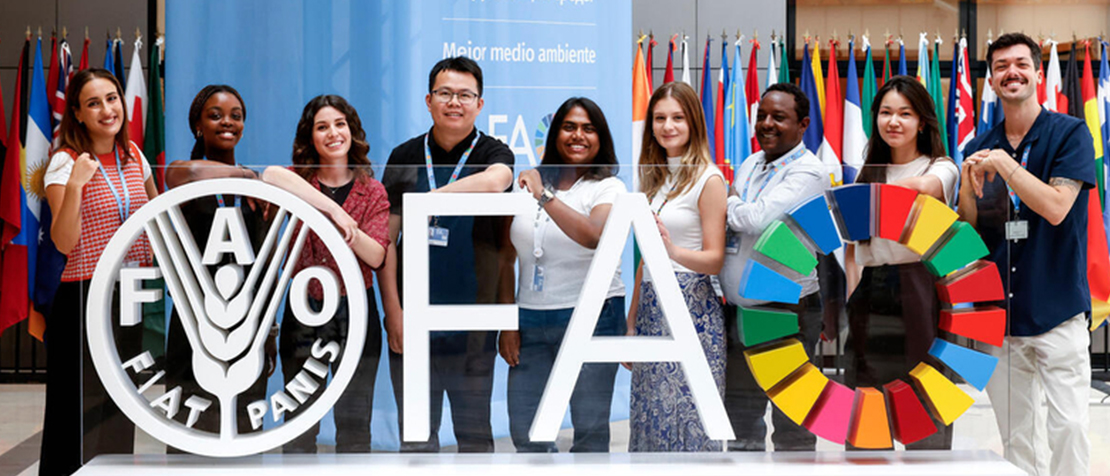
Recognizing this, FAO has emphasized the importance of boosting youth participation across aquatic food systems. Without generational renewal and stronger youth engagement, rising aquatic food demand and population growth risk undermining sustainability, global competitiveness and food security. Training, digital and financial skills, food safety, post-harvest and trade expertise are seen as vital pathways for young people to enter the sector.
Equally important, the younger generation’s focus on sustainability and technology is crucial for modernizing the industry and for addressing the current challenges of aquatic food systems. Circular-economy solutions, access to international markets, and innovative processing methods are essential to ensuring sustainable development and the efficient use of fisheries and aquaculture resources. Together, these elements can transform the sector into a dynamic, sustainable and resilient field that attracts and retains future generations.
Focus on youth
Many recent initiatives show that empowering young people can spark innovation, preserve cultural heritage, and strengthen coastal livelihoods. FAO is advancing education and training programmes to build skills among youth, women, and small-scale farmers, ensuring decent work and social responsibility in fisheries and aquaculture. FAO projects also integrate traditional knowledge to address climate change, while prioritizing stakeholder engagement and the active involvement of youth, women, and Indigenous Peoples, ensuring more inclusive and sustainable aquatic food systems.
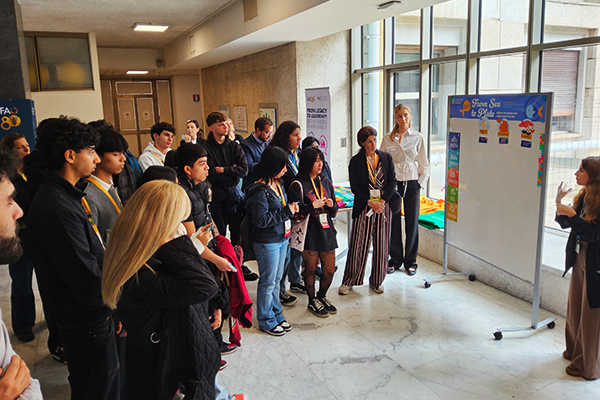
At the United Nations Ocean Conference held in Nice in June 2025, FAO Director-General Qu Dongyu urged young people to lead the transformation needed to feed a growing global population. Speaking at FAO's 80th anniversary event "From Legacy to Leadership: youth-led solutions for ocean sustainability", he highlighted youth as drivers of change. In October, during the World Food Forum week at FAO Headquarters in Rome, FAO GLOBEFISH hosted a youth-centered 'discovery station' titled From the Sea to Plate: Explore the People and Steps Behind the Bite, designed to help young participants understand the fisheries and aquaculture value chains, highlighting the many professionals involved in bringing aquatic products to consumers.
FAO/Enrica D'Agostino
Youth engagement was also central at the 36th Session of the Committee on Fisheries (COFI36) held in July 2024 in Rome, where the World Food Forum hosted "Youth voices in fisheries: bridging generations for sustainable solutions", as a side event of the principal conference. Discussions highlighted barriers such as limited access to information, financial constraints, under-representation in policymaking, and job insecurity, while stressing opportunities in entrepreneurship, ecotourism, and agritourism.
Additionally, the International Year of Artisanal Fisheries and Aquaculture (IYAFA 2022) underscored the role of youth in achieving FAO's Blue Transformation targets, calling for intergenerational dialogue, mentoring, and knowledge sharing to balance tradition with innovation.
These events and initiatives reinforced the need to integrate fisheries and aquaculture into global frameworks and prioritize youth and women's employment under the Blue Transformation agenda, fostering a new generation of leaders for sustainable aquatic food systems.
Looking Ahead
Empowered youth are emerging as a cornerstone of innovation, heritage preservation, and stronger livelihoods in coastal communities worldwide. Youth involvement in fisheries and aquaculture goes beyond employment: it safeguards food security, cultural heritage, and sustainability. Investing in young people strengthens resilience and ensures vibrant aquatic food systems for future generations.



wydf@wydf.org.cn

