


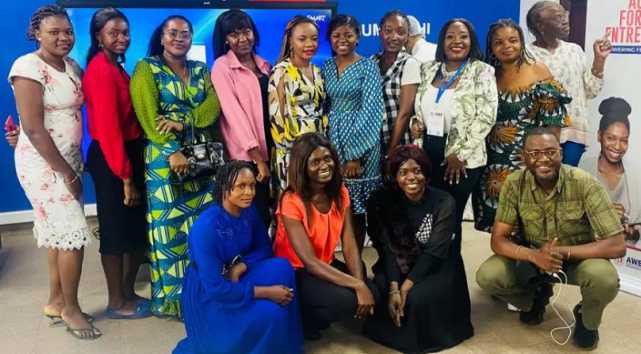
Gladys from Zambia runs Plastic for Change, a plastic recycling facility located at the border of the DRC and Zambia. The project she has launched forward is a plastic recycling initiative that focuses on providing fair pay to marginalized waste pickers, particularly women, at the border of the DRC and Zambia.
What the initiative does is build a digital platform to ensure waste pickers receive fair compensation and competitive prices for their work, while also addressing Zambia's plastic waste crisis. The waste pickers collect plastic waste from the environment and bring it to the facility; the team then forwards this plastic to manufacturers for recycling. By offering fair pay for their efforts, the project restores dignity to these workers.
Gladys's expectation is that more young people will be involved in shaping sustainable development decisions. She believes that youth should be supported, funded, and provided with capacity-building opportunities so that everyone can work together toward achieving the Sustainable Development Goals (SDGs).
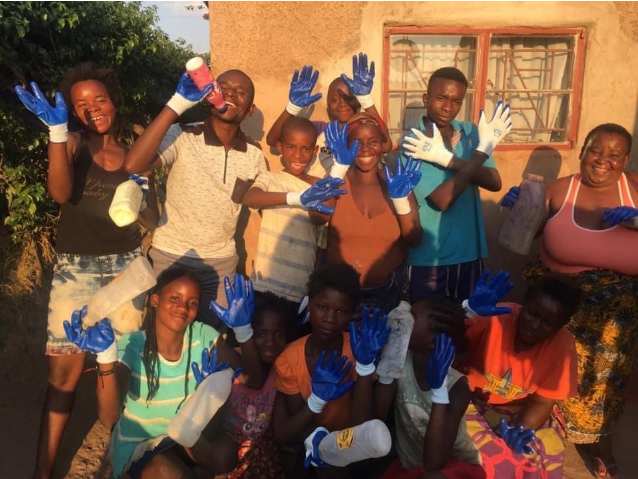
Tackling Plastic Waste in Marginalized Communities
The program aims to empower marginalized female waste pickers by building a circular economy model for plastic waste, reducing reliance on virgin plastics, and motivating community residents to participate in recycling, thus addressing the issues of plastic pollution and extreme poverty in developing countries. The program focuses on slum communities lacking waste disposal infrastructure.
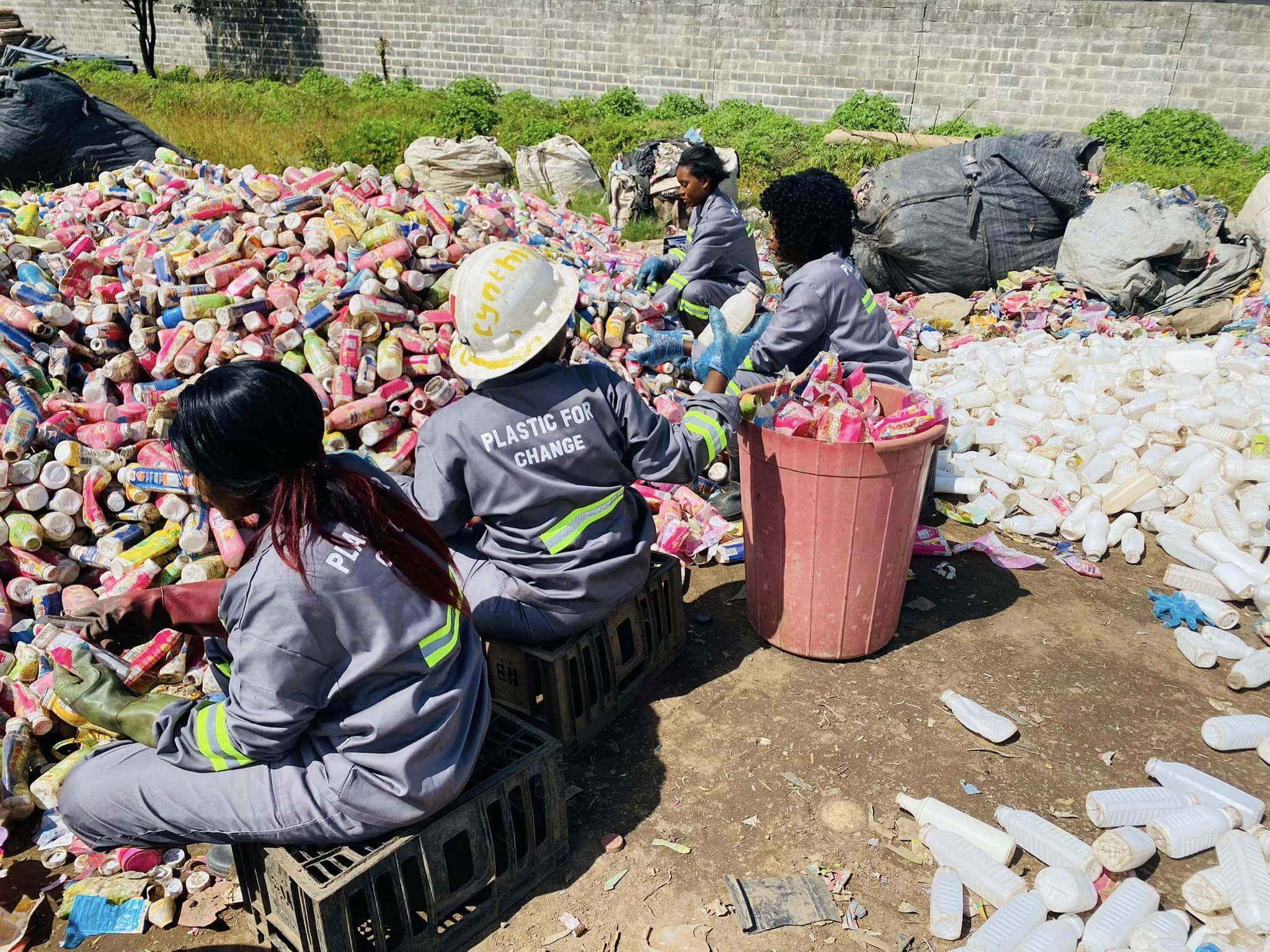
Over the years, the program has established a waste collection and segregation center, creating employment opportunities for 25 vulnerable women. They, together with 2,759 registered and trained waste pickers from Zambia and the Democratic Republic of the Congo, form a team. The program has also received funding to purchase equipment. In the past three years, the program has collected a total of 620 tons of plastic waste, generating an annual revenue of approximately $48,000. In addition, the program has partnered with the local municipal council to promote the segregation-at-source model. It has successfully relieved the burden on the landfill in Kasumbalesa, unclogged the drainage system, and significantly improved the working conditions of female waste pickers.



wydf@wydf.org.cn

