


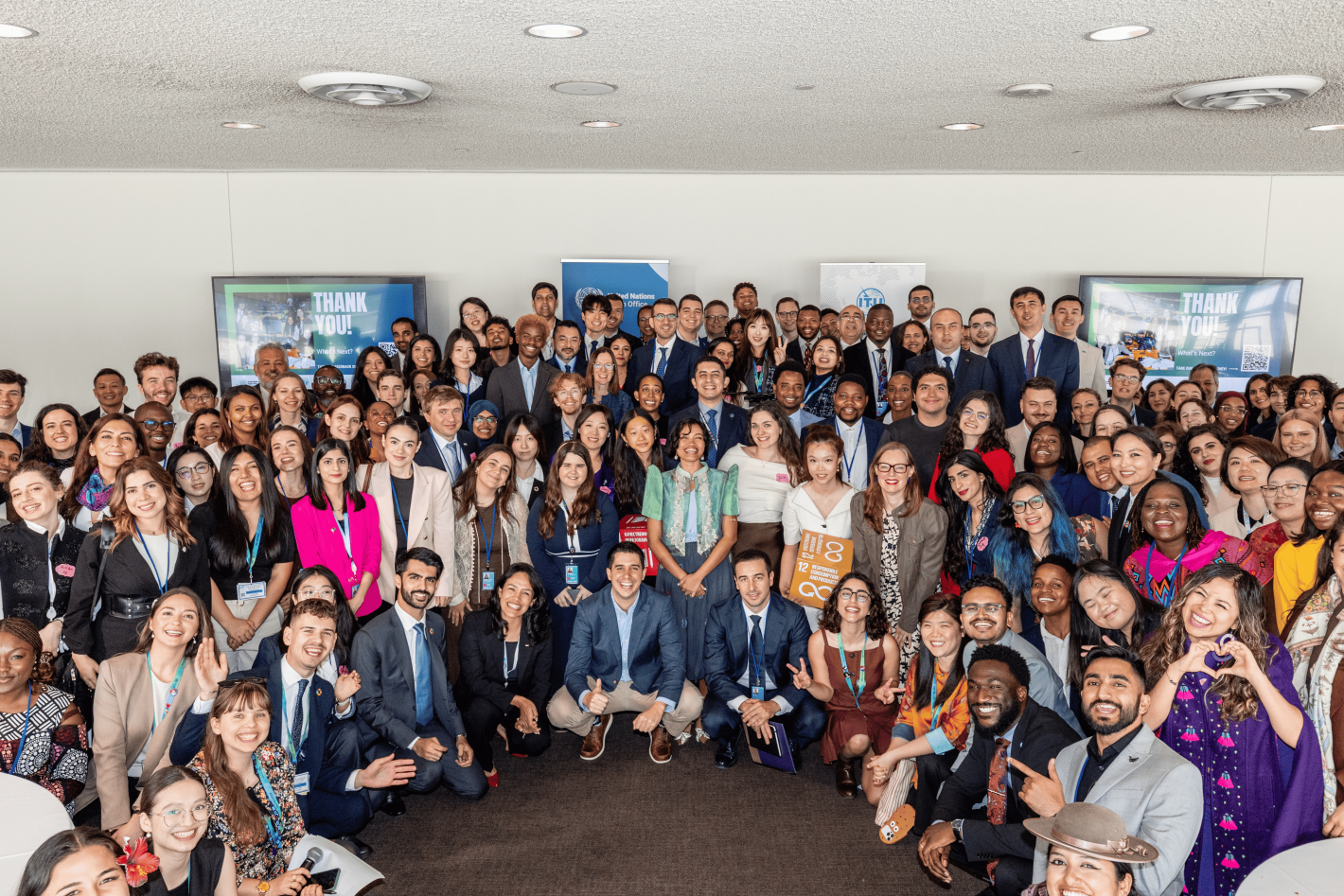
Just weeks after the launch of the Core Principles of Youth Participation, the UN Youth Office and the International Telecommunication Union (ITU) are putting them into practice. At the Ministerial Breakfast organized during the 2026 ECOSOC Youth Forum, the emphasis is no longer on commitments alone, but on how they are being operationalized. And this time, youth are shaping the space itself and holding the door open for others.
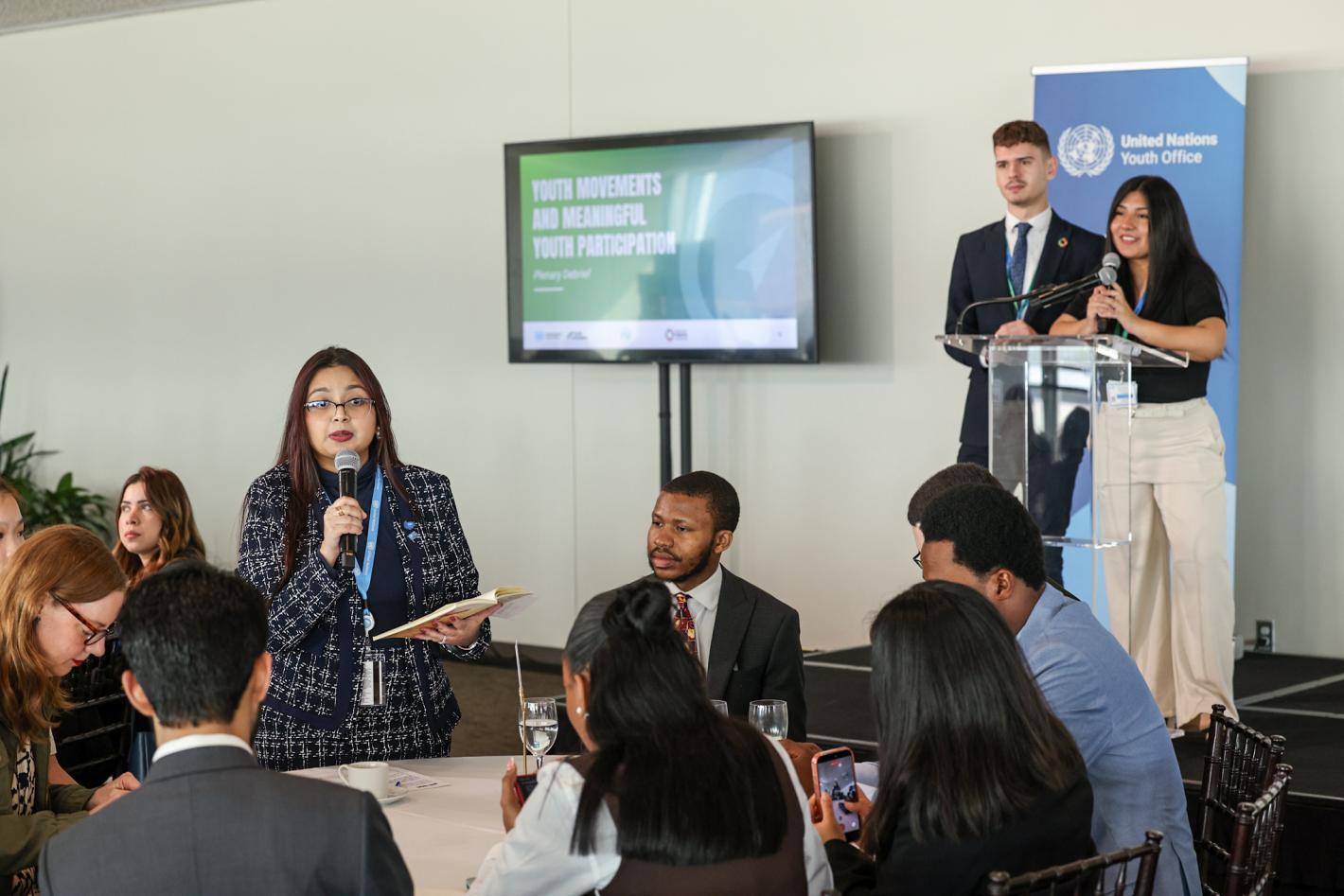
Members of the Youth Reference Group, the UN Youth Office’s youth advisory body, actively co-designed the agenda, defined the core pillars of the conversation and took the mic to facilitate the dialogue. This shift from participation to shared ownership is not symbolic. It reflects a deeper recognition of what has long been true: young people are not just leaders of tomorrow, but also the hands-on architects of today.
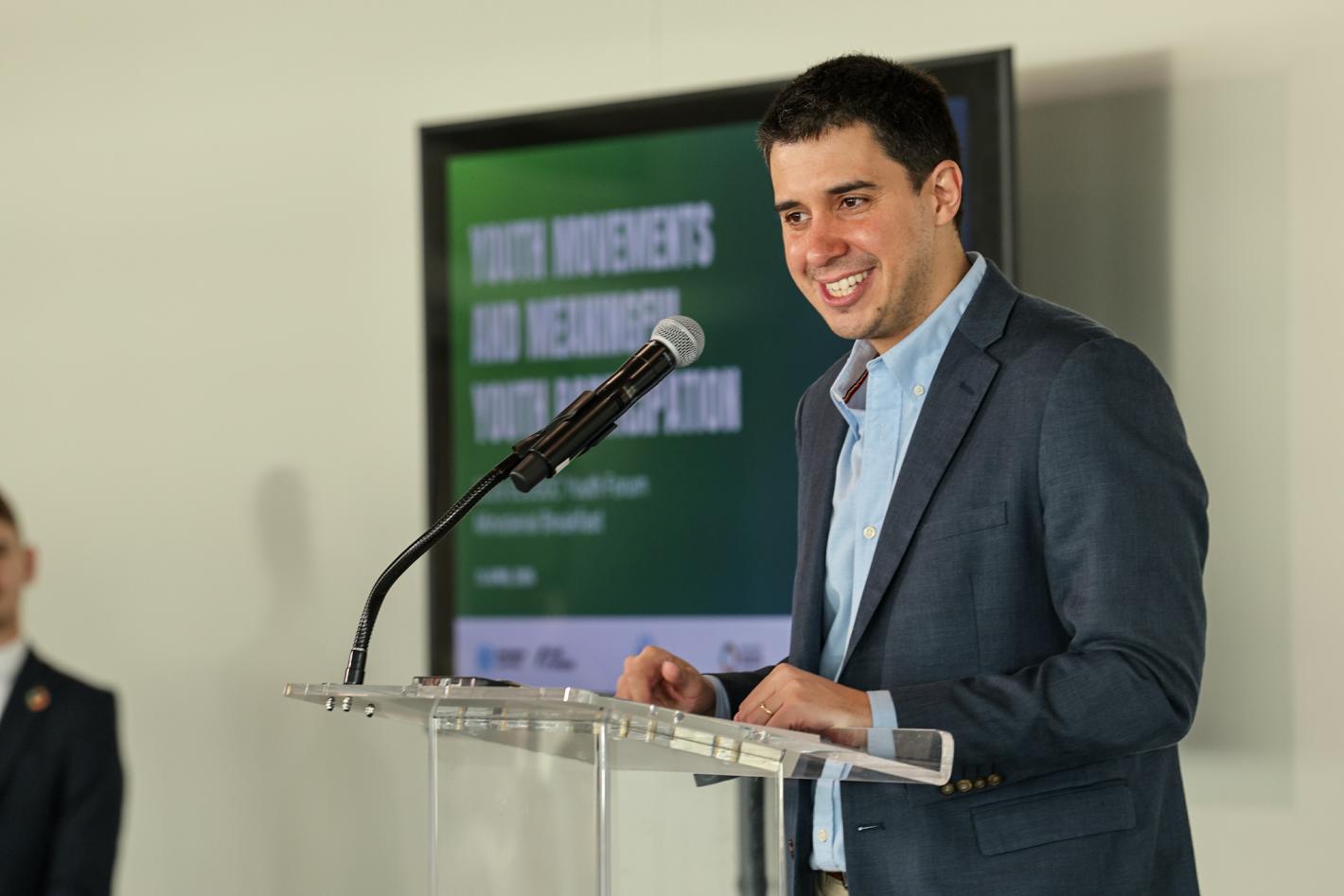
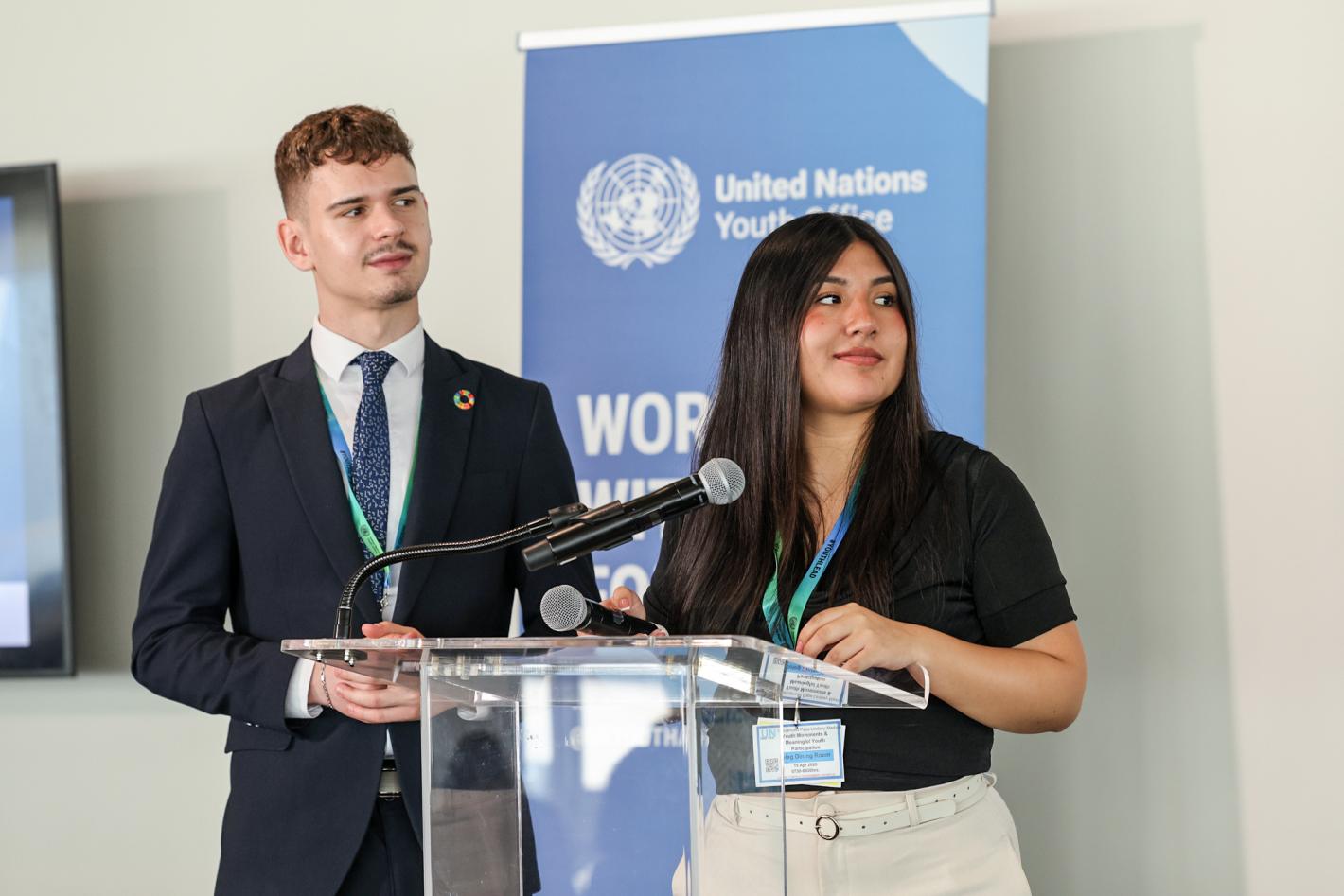
Globally, there are 2.6 billion young people between the ages of 15 and 35. Across continents and varying contexts, they are organizing, innovating and mobilizing, often outside of formal systems that have historically excluded them. One young leader during the Ministerial Breakfast captured this well: if young people are not given opportunities, they are creating them themselves. From climate justice movements to digital advocacy, from peacebuilding initiatives to grassroots organizing, youth are building decentralized, fast-moving and deeply connected ecosystems of change. They are exchanging ideas, reshaping narratives and driving momentum — one post, one rally and one initiative at a time.
Young people are doing it in spite of being disproportionately affected by the world’s most pressing challenges, including climate change, conflict, and gender-based violence, to name a few. For young people, these are lived realities, and the urgency they bring to these issues is not performative; it is deeply personal.
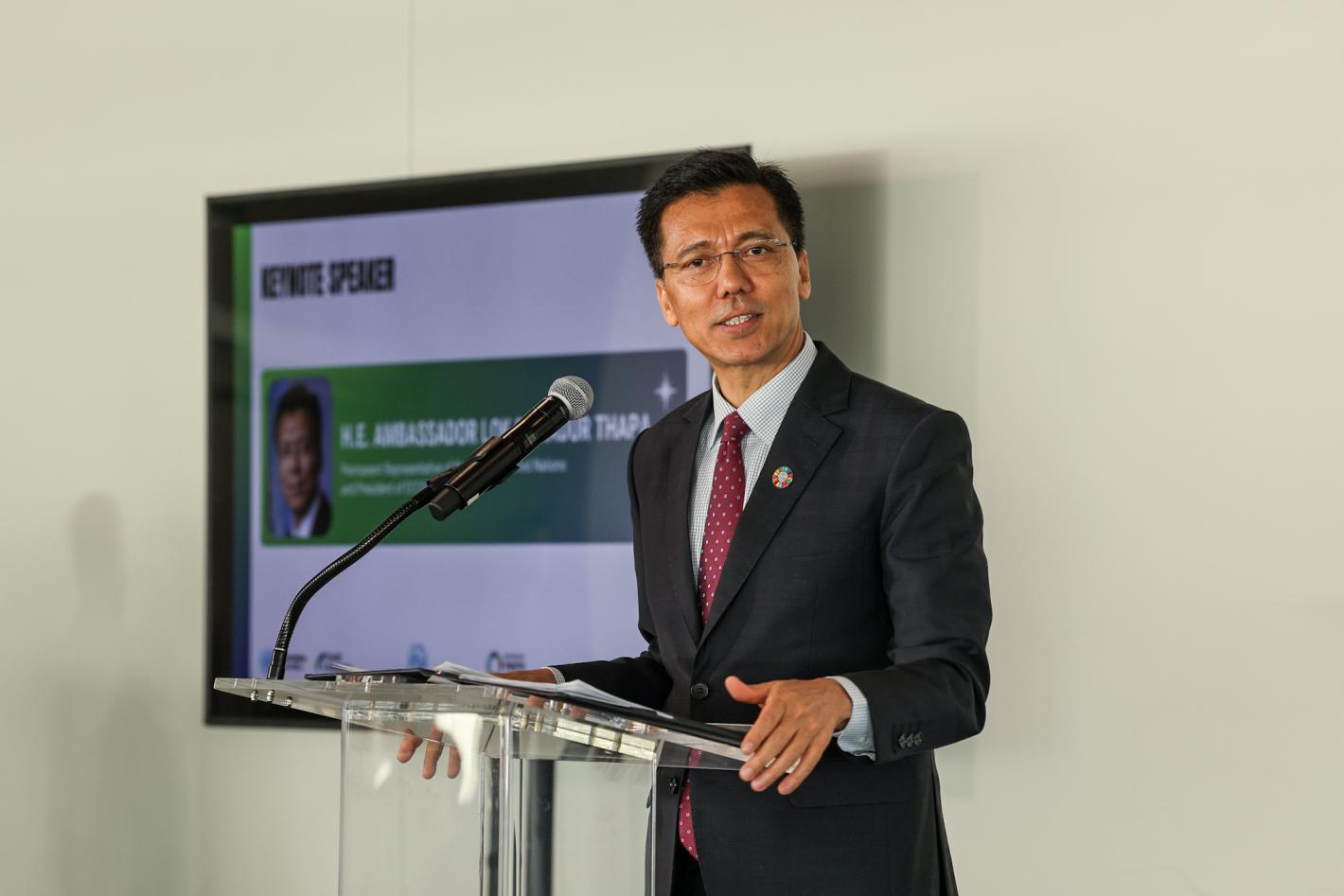
Yet, formal decision-making spaces have struggled to keep pace. Too often, they remain slow, bureaucratic and inaccessible. In the time it takes to draft a resolution, a movement can be born on the ground, mobilized and scaled online. These gaps structurally isolate young people. In this context, participants at the Ministerial Breakfast emphasized the need to reduce the distance to governance and make it more transparent for young people.
The carefully crafted dialogue spaces during the breakfast sought to confront this gap head-on. More than 150 participants, including ministers responsible for youth affairs, government officials, youth delegates, young leaders and representatives from youth-led organizations and civil society, shared frank ideas, concerns and suggestions.
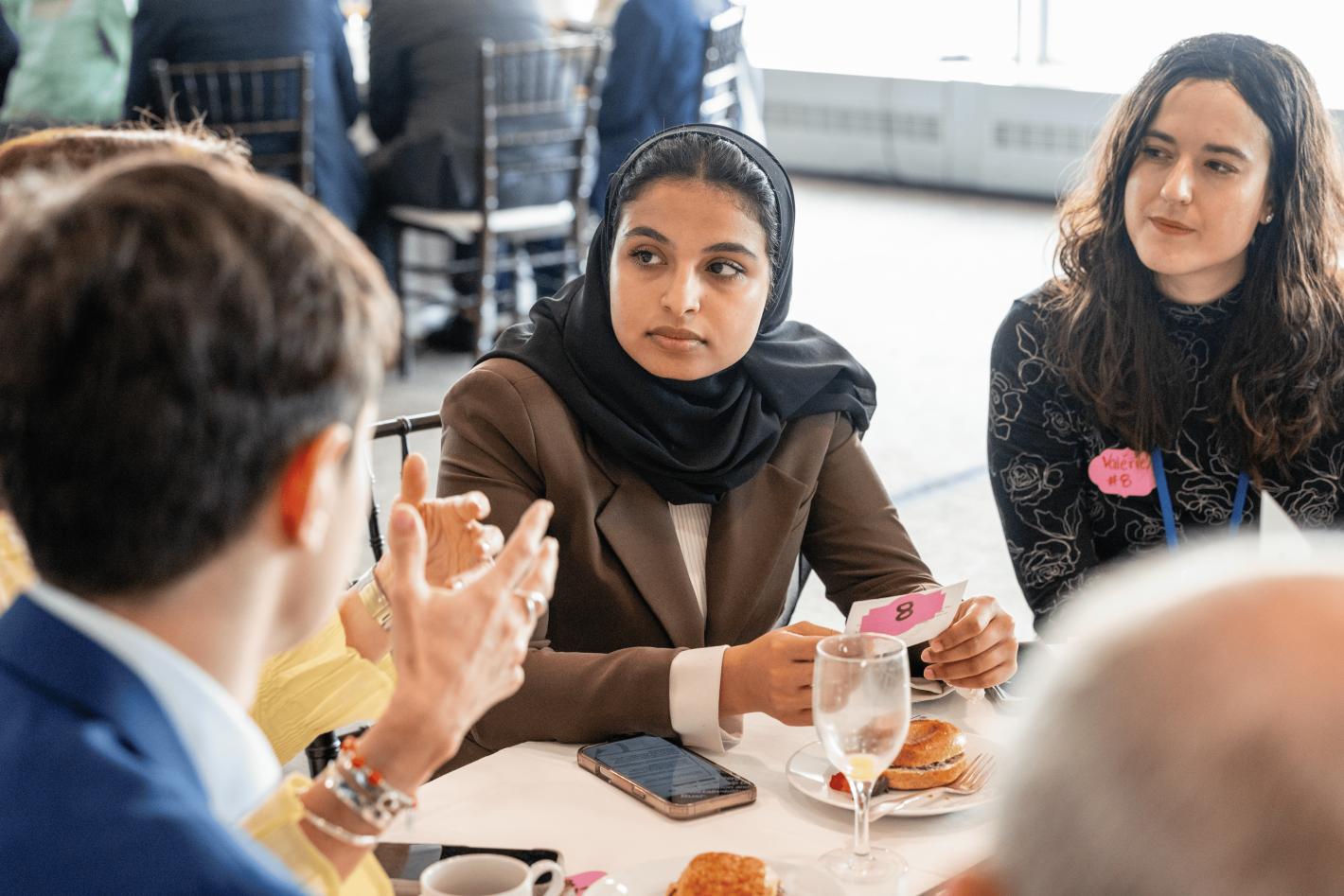
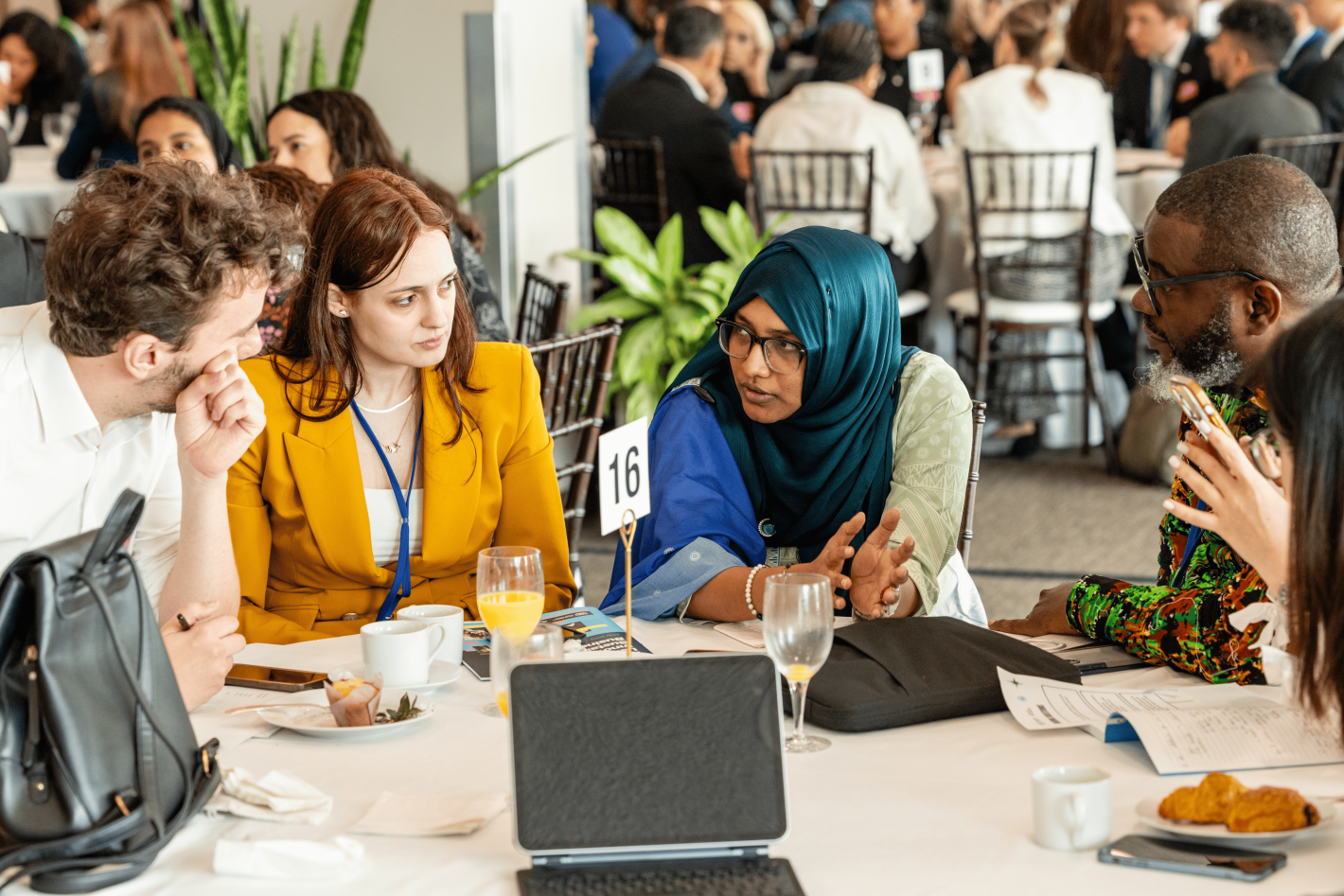
Structured as a “world café”, the breakfast created an open environment for genuine, face-to-face exchange. Around small tables, over cups of coffee, ministers, young people and allies engaged not in formal discourse but rather in honest conversation. They made space for difficult but necessary questions: How can governments and multilateral institutions better engage with the diversity of youth-led movements, including informal and formal grassroots youth-led initiatives? What could it take to design systems of engagement that feel as urgent and responsive as social media mobilizing? How do we bridge the best of both worlds? Intergenerational dialogue came to life in the room, morphing from concept to practice.
At the same time, there was a shared acknowledgement of who was not in the room. Many young people remain systematically excluded from these spaces due to crises and conflict, visa restrictions, financial barriers, or limited access to digital infrastructure. Even as youth movements thrive online, the pathways that connect these spaces to international decision-making are not equally accessible.
Participation and engagement in this sense remain uneven, and recognizing this is essential. As institutions begin to walk the talk, the challenge ahead will not only be to create more spaces for youth but also to transform how already existing spaces function. This means removing barriers, redistributing power and embedding youth engagement in the DNA of decision-making processes, not as an afterthought or a box to tick, but as a foundation and a prerequisite for legitimacy, relevance and impact.
And if this year’s breakfast showed us anything, it is this: where there is a collective will, there is a way.
This article was co-authored by UN Youth Office Reference Group Members and co-organizers of the Ministerial Breakfast — Adrianna Sosa, co-chair of the World YWCA board & Project Coordinator of the YWCA Haiti, Rehman Hassan, co-chair of the WHO Youth Council & human rights advocate, Lindsey Huahuamullo, founder of ImpactaYA & member of Teach For All’s Global Institute Advisory Board, and Nattanicha Kattiyavara, Founder of Student Reflect & The Burnout Advocate Youth Initiative.



wydf@wydf.org.cn

