


What should education beyond 2030 look like? Asia-Pacific youth are contributing their perspectives to global consultations shaping the future education agenda.
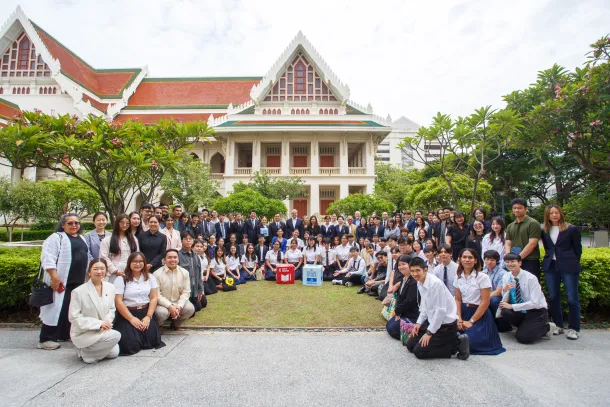
Imagine walking into a room where young people are not on the margins of the conversation but seated at its center. That was the scene in Bangkok, Thailand on 25 May, when UNESCO Director-General Khaled El-Enany joined youth from across Asia and the Pacific for the dialogue "Education Beyond 2030: Youth Dialogue to Shape the Future of Education and Learning." There, they were asked a simple but profound question: what should education beyond 2030 look like?
As UNESCO launched a global youth consultation to develop the post-2030 education agenda, the Dialogue was shaped by a clear invitation to listen to young people’s of the world and education they want. Throughout the conversation, young participants brought forward questions, lived experiences and hopes for learning that is more inclusive, more transformative and better connected to the realities young people face today. What emerged was more than a conversation, it was a call for education shaped by, with, and for young people.
Why this youth dialogue matters
The youth dialogue was meaningful because it created a space where young people from across the Asia-Pacific could come together to share their lived experiences, concerns, and aspirations for the future of education. Too often, youth are viewed primarily as beneficiaries of education systems. This dialogue reinforced that youth are also important contributors to education transformation and have valuable perspectives to offer on the future of learning. Most importantly, it helped connect youth perspectives from the region to the broader post-2030 education and learning agenda. It demonstrated that youth engagement must go beyond consultation or participation alone to meaningful involvement in shaping decisions, policies, and solutions. By creating space for dialogue, initiatives like this contribute to building more inclusive, equitable and future-ready education systems for all learners.
For many young people, identifying challenges and translating them into action is not always easy. Giving them space to share their experiences—and knowing they are truly heard—can be a powerful source of encouragement.
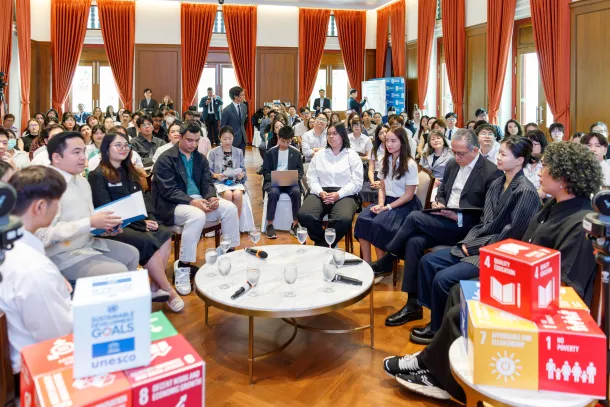
What young people are saying about the future of education and learning
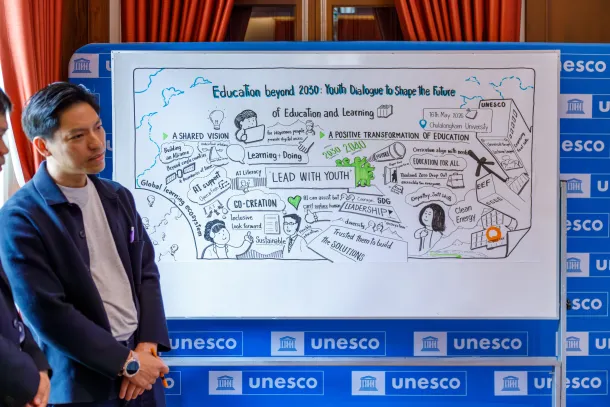
Throughout the Dialogue, several common priorities emerged from the experiences and aspirations shared by young people representing the Asia-Pacific region. Despite coming from diverse backgrounds and contexts, young people expressed a shared vision for education systems that are more inclusive, flexible and responsive to the realities learners face today. A strong message was that young people should not only be consulted on education policies and reforms, but be meaningfully involved in shaping them. Youth also highlighted the importance of education that prepares learners not only for employment but for life. They stressed the need for curricula that support their well-being, mental health, peace, sustainability and global citizenship. The rapid advancement of digital technologies and artificial intelligence was recognized as an opportunity for learning and access to information; however, it was also emphasized that technology should support, not replace, human connection, critical thinking, and the role of teachers.
Above all, young people envisioned education systems that are accessible, learner-centered and built with young people, not only for them.



wydf@wydf.org.cn

